
Passivhaus Design
Passivhaus, also known as passive house, is a design technique that implements building science to create an ultra-efficient building envelope that is very well insulated and extremely airtight. Passivhaus buildings require a very low level of energy to run (15 kWh/m²a). This is done by creating an optimal energy balance for the building using depth calculations to significantly reduce thermal breaks, and orientation to best position it against sun and shade.
The result is comfortable indoor temperatures year-round, improved air quality, optimal daylight and no cold spots or draughts – providing residents with improved health and wellbeing, alongside significantly reduced running costs over the life of the building. If paired with the right renewable energy systems, these buildings could potentially produce enough energy to act as generators, feeding energy back into the grid.
To bring existing buildings in line with Passivhaus standards without requiring complete reconstruction, we use what is called an ‘Enerphit’ standard, which provides a practical deep retrofit solution for existing buildings. This approach uses advanced technologies to achieve exceptional airtightness and insulation while working within the constraints of older structures.
How are such high energy standards achieved?
For very energy-efficient homes, we often need special systems like Mechanical Ventilation with Heat Recovery (MVHR) and extra consultancy work for testing and calculations, which increases costs. If the budget doesn’t stretch that far - such as with large-scale housing projects - we aim for a more affordable certification, the AECB CarbonLite Standard.
If even bigger cost savings are needed, we can design homes without formal certification but still better than the government’s Future Homes Standard. In this case, we borrow ideas from Passivhaus design without going all the way to meet Passivhaus’s strict and expensive requirements.
Passive building design certifications
We integrate passive design principles into every project, ensuring we maximise the benefits of the site and its surroundings. Our approach includes designing to the following certifications:
-
Passivhaus Design – The standard for superior low energy designs. Classic to Premium standards covered.
-
AECB CarbonLite Standard – This standard is one step below Passivhaus but still allows for very efficient buildings.
-
Low Energy Housing – Providing low energy designs that are cost effective and superior to the Future Homes standard.
-
BREEAM Certification – A holistic approach to sustainability focusing on several categories from energy to health and wellbeing. Pass to Outstanding standards covered.
By designing to one of the following standards above, we provide our clients with a benchmark for low-energy building - to deliver exceptional comfort, high energy efficiency and reduced operational costs.

Some projects we’ve used passive design principles
This urban regeneration housing project provided exemplar housing to Passivhaus principles. All homes were built to AECB Silver Standard and to what was previously Code 4 (code for sustainable homes). The houses have high levels of insulation, heat recovery units, industry leading levels of air tightness and maximum use of natural light.
This development was built to AECB Silver Standard, using Passivhaus principles. The 29 homes overlook the River Trent and neighboring parkland. Features include roof terraces, south-facing living areas, durable brickwork, large windows and insulated render. Each home captures the surrounding views while delivering excellent energy efficiency.
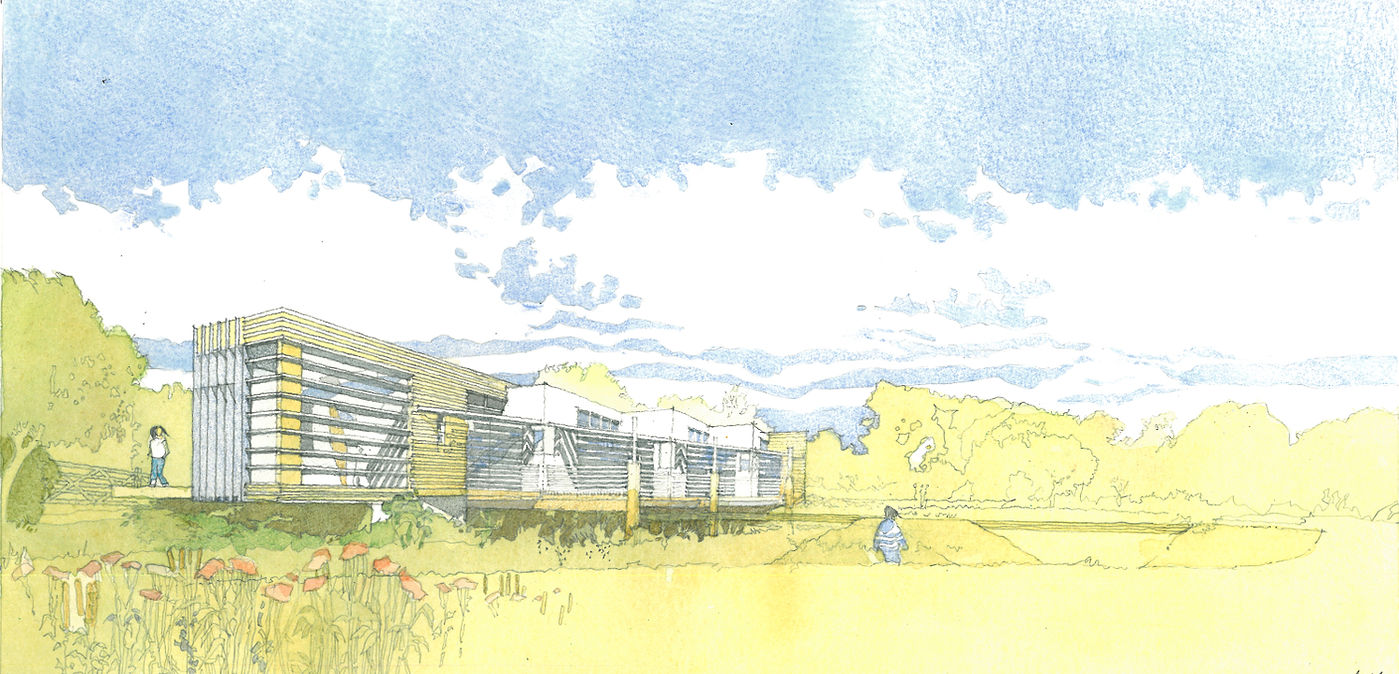
The Garden House incorporates passive stack ventilation, using the natural rise of warm air to draw in cooler air at lower levels and expel stale air at higher points. Strategic window placement and integrated shading maximise natural light while preventing overheating.
Contact our passive design architecture experts
Whether you’re planning a new build or retrofitting an existing property, our award-winning architects know how to integrate Passivhaus design techniques that enhance the efficiency and sustainability of a building. Get in touch today to find out more.
Get in Touch
If you would like to know more about our services or projects, please get in touch. Let us know how we can help.
marsh:grochowski architects
37a Sneinton Hermitage, Nottingham, NG2 4BT
email: simon.smith@arcontext.com
phone: 0115 941 1761